

Vet360
Low Oxygen Alarm with N₂O Cut-off
Low Oxygen Alarm with N₂O Cut-off
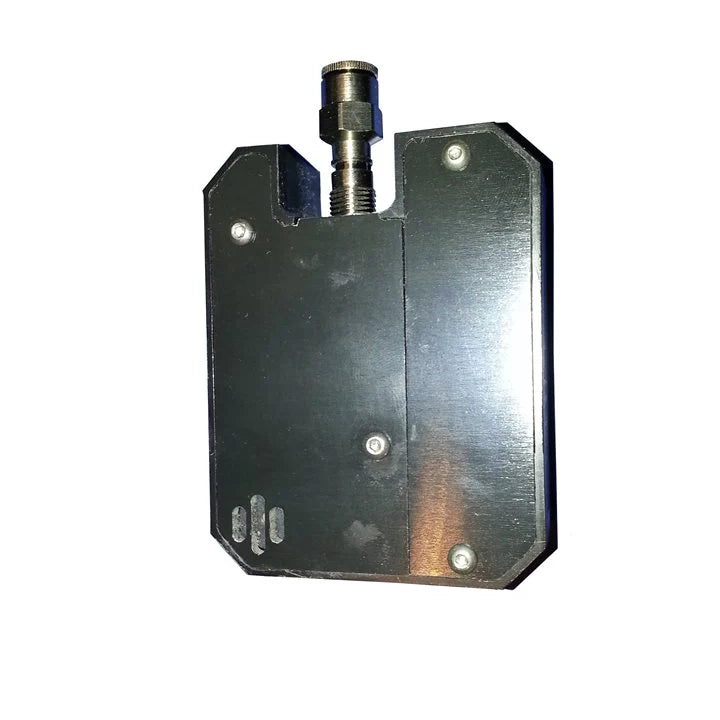
Low Oxygen Alarm with N₂O Cut-off – Safety Alert & Automatic Shut-off
Audible low oxygen alarm with integrated nitrous oxide cut-off for enhanced anaesthetic safety.See below for further details.
Couldn't load pickup availability
Share
Collapsible content
Description
The Low Oxygen Alarm with N₂O Cut-Off is a critical safety device for veterinary and medical anaesthetic systems, engineered to deliver an immediate, dual-action response when oxygen pressure falls below safe operating levels. By combining a loud audible alarm with an automatic nitrous oxide shut-off mechanism, this unit helps prevent the delivery of dangerous hypoxic gas mixtures and provides essential early warning to clinical staff.
When oxygen pressure drops beneath the preset threshold, the system activates a clear, high-volume alarm tone while simultaneously triggering an internal N₂O safety shut-off valve. This instant response ensures nitrous oxide flow is halted until normal oxygen supply pressure is restored.
Compact, durable and easy to integrate, the alarm unit fits seamlessly into new installations or existing veterinary anaesthesia machines. Its dependable performance and simple design make it an essential safeguard in any clinical environment.
Key Features
Audible alarm activates when oxygen pressure falls below safe levels
Automatic N₂O shut-off prevents the delivery of hypoxic gas mixtures
Enhances patient safety during veterinary and medical anaesthesia
Loud, clear tone suitable for busy operating environments
Compact design allows easy integration into existing systems
Reliable safety response that automatically resets when oxygen pressure is restored
Suitable for veterinary and medical anaesthetic applications
Typical Applications
Veterinary anaesthetic machines
Anaesthesia gas safety systems
Clinics requiring hypoxic mixture prevention
System redundancy and safety compliance